Red light phototherapy in East Hanover: types, benefits & booking tips
By Bel0 Cryotherapy LLC | September 6, 2026
Visit us at 346 New Jersey 10, East Hanover, NJ 07936 | Call: +19735582050 | Email: dan@bel0cryo.com
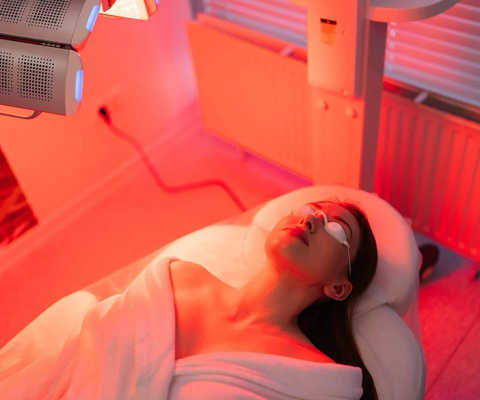
I hear this a lot in our Route 10 corridor community: people want something that feels simple, fits a busy schedule, and still shows real change over time. Red light phototherapy uses targeted red and near-infrared wavelengths delivered by panels, beds, or handheld devices to support skin rejuvenation, muscle recovery, and pain management. Sessions are usually short, and the best results tend to come from consistency over a few weeks. In this guide, I’ll break down the main red light therapy set-ups, what they’re best for, how to plan a schedule that works for Route 10 commuters near Ridgedale Avenue, and the safety notes you should bring up with me before we start.
Who usually searches “red lamp therapy near Ridgedale Ave” and why
Most people who land on this page aren’t trying to become skincare experts. They’re trying to solve a specific problem without adding another complicated routine. In East Hanover, I see a steady mix of busy professionals, parents, and active adults who want brief sessions that still feel worthwhile.
Red light therapy is a good fit if you’re working on dull or irritated-looking skin after summer, you want help smoothing the look of fine lines, or you’re trying to support recovery when your body feels beat up. And with our four-season climate, fall is a popular time to reset: post-summer skin repair, then keeping up momentum before the holiday stretch.
Panels, pods, handhelds: which red light therapy light set-up fits your goal
Not all red light therapy is the same. The device format matters because it changes how much of your body we can cover in one session and how targeted we can be.
- Panels are great when you want broader coverage, like back, legs, or general skin support.
- Beds or pods make sense for full-body style sessions when consistency is your main goal and you want an easy in-and-out routine.
- Handheld devices work well for smaller, specific areas where you want precision, like a joint, a spot of muscle tightness, or a focused skin concern.
My rule of thumb: if you’re trying to support skin changes, think consistency first. If you’re trying to support a specific area that’s angry or tight, think targeted coverage.
Memberships that match real life on Route 10 (service options)
I keep red light therapy straightforward. You can start with a single session, or you can choose a monthly rhythm that makes results more realistic. If you’re comparing “red lamp therapy” studios in East Hanover, this is the part that usually decides it: how often you can actually show up.
1 Session
One non-invasive red light therapy session for humans. I like this option for getting familiar with the light, seeing how your skin feels after, and deciding what schedule you can keep.
Best for: first-timers, a quick reset before committing, or adding a single session into an existing routine.
8 Sessions / Month
Eight sessions per month is where most people start seeing the value of consistency. It gives you enough frequency to support gradual skin improvement and recovery support without feeling like you live at the studio.
Best for: steady skin goals, post-workout recovery, or stress-heavy weeks when you want short sessions that still add up.
12 Sessions / Month
Twelve sessions per month is my “I’m serious about this” plan. If you’re working on visible skin changes or you’re dealing with persistent soreness, higher frequency tends to make the trend line more noticeable.
Best for: people who want faster momentum, or anyone who does better with a set weekly routine.
Unlimited
Unlimited monthly sessions (subject to membership rules and appointment availability). This is the easiest plan if you want maximum flexibility and you like the idea of popping in near the Ridgedale Avenue shopping area when your schedule opens up.
Best for: routine-lovers, athletes, or anyone pairing red light with other recovery work.
Quick note, since people ask: red light therapy pairs nicely with other recovery-minded services like cryotherapy and cryo pain management. If you’re searching “cryotherapy near me” or “cryo for pain” and you’re also curious about red light, I’ll help you map out a plan that’s realistic.
Results you can actually track: skin, soreness, and inflammation trends
Red light therapy isn’t a one-and-done kind of thing. The people who get the most out of it treat it like a short, repeatable habit. For skin goals, improvements tend to be gradual: a healthier look, a little more bounce, and a smoother texture over time as your skin cycles.
For recovery and discomfort, a lot of people notice the biggest difference in how they feel the day after activity. The goal is less of that “everything feels inflamed” feeling, and more of a steady baseline. If you’re also doing Body Contouring work like cryo slimming, or you’ve compared options like CoolSculpting and fat freezing, I’ll be honest with you about what red light supports and what it doesn’t. It’s a support tool, not a magic wand.
Best way to track progress: pick one goal, take a baseline photo (for skin), or note your soreness level and sleep quality (for recovery). Then stick with a consistent schedule for a few weeks.
Your first red light therapy session in East Hanover, step by step
When you come in, I’ll start by asking what you’re trying to change and what you’ve already tried. Then we’ll talk through any photosensitivity, medications that make you more reactive to light, and anything medical that should slow us down.
Next, we decide the area we’re focusing on and the set-up that matches it. For most sessions, you’ll just get comfortable and let the light do the work. I’ll give you simple guidance on clothing based on the area we’re treating, and I’ll make sure you’re positioned correctly so you’re not wasting time.
After, you can go right back to your day. I usually recommend hydration and keeping your routine gentle if your skin is reactive. If you’re coming from Parsippany, Florham Park, Whippany, Morris Plains, or Livingston, this is an easy stop along the Route 10 commercial corridor near Ridgedale Avenue.
Booking tips for Route 10 commuters: how to make consistency easy
- Pick two days a week you can repeat. Consistency beats intensity for red light therapy.
- If you’re trying to fit sessions around family schedules, a monthly plan often makes follow-through easier.
- Fall is a great time to start, especially if you’re working on post-summer skin repair and want to feel refreshed heading into the holidays.
- Tell me your main goal up front. I’ll help you choose the right frequency so you’re not guessing week to week.
Why people stick with me at Bel0 Cryotherapy LLC (and how we keep it simple)
I’ve been doing this work in East Hanover for 8 years, and I don’t believe in pushing a plan that doesn’t fit your life. My studio is positioned for the Route 10 commercial corridor crowd, so you can get in, get your session done, and get back to work or home without turning it into a whole day.
If you’re comparing options like Body Contouring near me, non-surgical fat reduction, cryo facial, or even searching cryotherapy near me, I’ll walk you through what each service is designed to do and what it’s not. And if you’ve got a very specific question, like red light therapy for pets or how a red light therapy mask compares to in-studio devices, bring it up. I’ll give you a straight answer.
Ready to keep it simple? Call +19735582050 or email dan@bel0cryo.com and tell me your goal (skin, recovery, discomfort, or routine support). I’ll recommend a session frequency that’s realistic for your schedule and your drive.
Red light therapy FAQs I get every week in East Hanover
What conditions can red light therapy treat?
Red light therapy is commonly used to support skin rejuvenation goals (like improving the look of texture and fine lines) and to support muscle recovery and discomfort by calming inflammation patterns. I’ll help you decide if your goal is a good match, and I’ll be upfront if you’d do better with a different approach.
How many red light therapy sessions will I need before I notice results?
Most people notice changes gradually, not instantly. I usually recommend planning for multiple short sessions spread over a few weeks, then adjusting based on what you’re tracking (skin photos, soreness level, or how your body feels after activity).
Is red light therapy safe if I have sensitive skin or am on acne medication?
It can be, but this is one I want to talk through before your first session. Some acne medications and topicals can increase photosensitivity. Let me know what you’re using and how your skin reacts, and I’ll guide you on the safest way to proceed.
How long does a typical red light therapy session last?
Sessions are usually short. The exact time depends on the device format and the area we’re focusing on, but the whole point is that it fits into a busy day without a long recovery window.
Do I need to prepare or wear anything special for a red light therapy session?
No complicated prep. Wear something that lets us access the area you want to work on, and come with clean skin if your goal is facial skin support. If you have any history of light sensitivity, bring it up before we start.
What do you mean by “red lamp therapy”?
“Red lamp therapy” is a common way people refer to red light therapy. In practice, it means using red and near-infrared wavelengths delivered by a device like a panel, pod, bed, or handheld unit.
What is a “red light therapy light” and does the device type matter?
A “red light therapy light” can mean anything from a small handheld device to a larger panel. Device type matters because it changes coverage and how targeted we can be. I’ll recommend the set-up based on what you’re trying to improve.
Is a red light therapy mask the same as an in-studio session?
A red light therapy mask can be a helpful at-home tool, especially for consistency, but it’s not automatically the same as a professional set-up. The biggest differences are coverage, intensity, and how precisely we can match the session to your goal.